

Review Widgets vs. Static Testimonials: Which Builds More Trust and Conversions?
When a potential customer visits your website, they are looking for one thing before anything else:
A reason to trust you.
Whether you run a local business, an online store or a service-based company, trust plays a major role in every purchasing decision.
This is where social proof becomes incredibly valuable.
When visitors see that real people have worked with you, purchased from you or recommended your services, uncertainty decreases and confidence increases.
The question is:
How should you display that proof?
For years, most websites relied on static testimonials—carefully selected quotes placed on a homepage or service page.
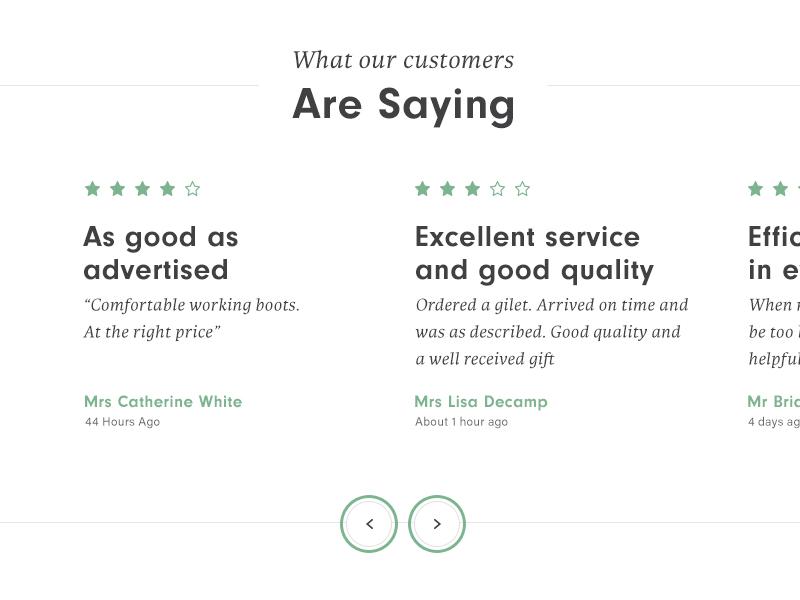
Today, many businesses use review widgets that automatically display verified reviews from platforms such as Google, Facebook, Trustpilot and TripAdvisor.
Both approaches have advantages.
But which one actually builds more trust and drives more conversions?
Let’s take a closer look.
Static Testimonials: The Traditional Approach
Static testimonials are customer quotes that are manually added to your website.
Typically, they include a name, a photo and a short description of the customer’s experience.
Advantages
Complete Control
You decide exactly which testimonials appear on your website.
This allows you to highlight specific benefits, services or success stories that support your marketing goals.
Perfect Design Integration
Because testimonials are built directly into your website, they can match your branding, typography and layout perfectly.
There are no external dependencies or design limitations.
No Performance Impact
Static testimonials load instantly because they are simply part of the page content.
There are no API requests or external scripts that could affect page speed.
Disadvantages
Lower Credibility
Modern internet users are increasingly skeptical.
Most visitors understand that website owners choose which testimonials to display.
While testimonials can still be effective, they often lack the credibility of reviews that originate from independent third-party platforms.
Manual Maintenance
Updating testimonials requires editing pages, replacing content and publishing changes manually.
As your business grows, keeping testimonials fresh can become time-consuming.
Review Widgets: The Dynamic Approach
Review widgets automatically display customer reviews from trusted review platforms.
These reviews are typically connected to verified customer accounts, making them significantly harder to fake.
Advantages
Stronger Trust Signals
When visitors see familiar platforms such as Google or Facebook alongside customer reviews, credibility increases immediately.
The reviews are not simply claims made by the business.
They are opinions published on independent platforms.
This distinction has a powerful psychological effect.
Automatic Updates
Once configured, review widgets continue updating automatically.
As new reviews are published, they can appear on your website without requiring manual intervention.
This keeps your social proof fresh and relevant.
Recency and Volume
Instead of displaying only three or four selected testimonials, review widgets can showcase a larger collection of recent customer experiences.
Visitors can see that people are actively interacting with your business today, not just months or years ago.
Disadvantages
Potential Exposure to Negative Reviews
Authenticity works both ways.
If negative reviews appear on a review platform, they may also appear within your widget.
Fortunately, modern review solutions often provide filtering and moderation options that help businesses maintain control while remaining transparent.
Performance Considerations
Review widgets rely on external data sources.
Poorly optimized solutions may affect page speed.
Choosing a lightweight and efficient review system is therefore important.
A Real-World Observation
In my experience, many small business websites still rely exclusively on static testimonials.
While these testimonials can certainly help, visitor expectations have changed.
Today, customers are accustomed to checking Google reviews before booking a hotel, choosing a restaurant or hiring a local service.
As a result, reviews connected to platforms people already trust often carry significantly more weight than testimonials that appear only on a company’s website.
This doesn’t make static testimonials obsolete.
It simply means that verified reviews now play a larger role in establishing credibility.
Not All Review Widgets Are Equal
One important detail is often overlooked:
Not all review widgets are created equal.
A good review widget should offer:
- Flexible display layouts
- Filtering options
- Review moderation tools
- Fast loading performance
- Mobile-friendly design
- Customization that matches your website
The goal is to balance authenticity with usability.
Visitors should see genuine customer feedback without compromising the design or performance of your website.
Side-by-Side Comparison
| Feature | Static Testimonials | Review Widgets |
|---|---|---|
| Credibility | Moderate | High |
| Verification | None | Third-Party Verified |
| Maintenance | Manual | Automatic |
| Freshness | Limited | Continuous |
| Design Control | Unlimited | Moderate |
| Page Speed Impact | None | Low to Moderate |
| Conversion Potential | Good | Excellent |
Which One Should You Choose?
The data consistently suggests that review widgets outperform static testimonials when it comes to building trust and increasing conversions.
The reason is simple:
Verified reviews reduce doubt.
However, the most effective websites rarely choose one approach exclusively.
Instead, they combine both.
Use Review Widgets When Trust Matters Most
Review widgets work particularly well on:
- Homepages
- Service pages
- Booking forms
- Product pages
- Checkout pages
These are the moments when visitors are deciding whether to contact you, request a quote or make a purchase.
Use Static Testimonials for Detailed Success Stories
Sometimes a customer provides a detailed explanation of how your product or service solved a specific problem.
Those longer stories deserve their own dedicated space.
Static testimonials work exceptionally well for:
- Case studies
- Success stories
- Portfolio pages
- Client spotlight sections
The Bottom Line
Building trust online has never been more important.
Static testimonials remain a valuable tool for highlighting customer success stories and reinforcing your brand message.
Review widgets, however, add a level of authenticity and transparency that modern customers increasingly expect.
Rather than choosing between them, consider using each where it performs best.
Let review widgets provide real-time social proof.
Let testimonials tell deeper stories.
Together, they create a powerful environment of credibility that helps visitors feel confident enough to take the next step.
Related Reading
Why Customer Reviews Are Essential for Small Business Growth
Or explore ReviewFlow, a flexible WordPress plugin designed to help businesses display customer reviews in a professional, customizable and conversion-focused way.